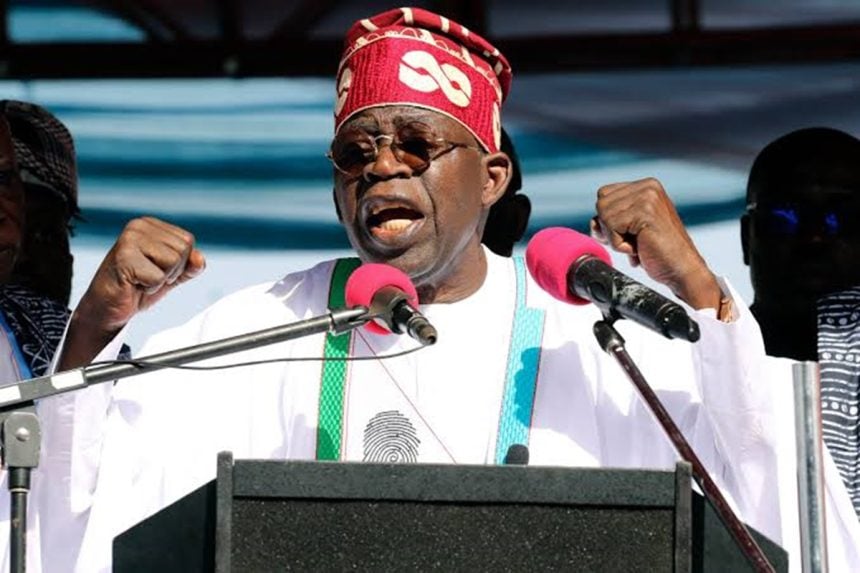
More than 1,000 Islamic clerics have called on President Bola Tinubu not to seek re-election in the 2027 presidential election, citing economic hardship and insecurity in the country.
The position was contained in a communique issued after a conference in Kano titled “An Assessment of the State of the Nation under President Tinubu and the 2027 General Elections.”
The clerics, operating under the aegis of Ko Da Naka, For the Struggle to Promote Good Governance and Community Development, in collaboration with the AFAQ Educational Foundation, expressed dissatisfaction with the direction of the Federal Government under Tinubu.
They specifically criticised the removal of the petrol subsidy, floating of the naira, increase in electricity tariffs and tax reforms, arguing that the policies had contributed to increased hardship for ordinary Nigerians.
“It is unfortunate that the government has continued to insist on pursuing these policies, which are increasing hardship among the people, rather than reviewing and correcting them,” the communique stated.
The clerics also accused the government of prioritising revenue generation at a time when rising living costs and unemployment were placing additional pressure on citizens.
“Consequently, participants at the conference unanimously agreed that it would be inappropriate to re-elect this government in the forthcoming 2027 general elections if it does not change its harmful economic policies,” they said.
The development comes amid other public positions by Islamic groups on the 2027 election. In August, JIBWIS endorsed Tinubu and Vice President Kashim Shettima for another term, while the Qadiriyya movement also declared support for Tinubu after receiving the APC Presidential Campaign Council led by its Director-General, Senator Abdulaziz Yari.
Yari and other APC leaders had earlier held consultations with Muslim leaders across parts of the North, including representatives of JIBWIS, Tijjaniyya and Qadiriyya, as part of engagements ahead of the 2027 election.
The opposing positions reflect the differing views among Islamic organisations and clerics as political activities intensify ahead of the 2027 presidential election.