Nigeria will continue to rely on borrowing to cover its growing budget deficit, the Senate has confirmed, raising concerns about the country’s rising debt and limited revenue collection.
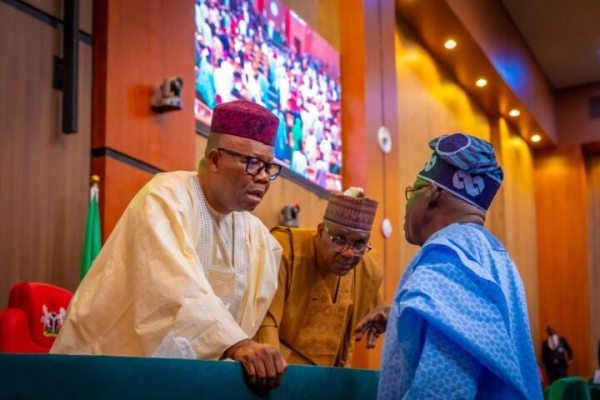
At a public hearing on the 2026 Appropriation Bill in Abuja, Senator Solomon Adeola, Chairman of the Senate Committee on Appropriations, revealed that the proposed 2026 budget anticipates total expenditure of ₦58.47 trillion, compared with projected revenue of ₦33.19 trillion—leaving a deficit of ₦25.27 trillion. Debt servicing alone is estimated at ₦15.90 trillion.
Senator Adeola said borrowing had become unavoidable due to unpredictable revenue streams and pressing development needs. He stressed that the National Assembly would no longer grant budget extensions beyond December 31, citing poor implementation, abandoned projects, and weak accountability as persistent challenges.
The Senate also promised tighter oversight of service-wide votes and stricter monitoring of ministries, departments, and agencies (MDAs), insisting that no public funds would be released without clear accountability. Adeola said future borrowing would focus on minimising the impact on private-sector credit, prioritising external loans, public-private partnerships, asset optimisation, privatisation, and Eurobond issuances.
Meanwhile, the Minister of Health, Prof. Mohammed Ali Pate, disclosed that the Federal Ministry of Health received only ₦36 million of its ₦218 billion capital allocation for 2025, severely limiting project execution. He attributed the shortfall to cash planning constraints and delayed counterpart funding but reaffirmed the ministry’s commitment to achieving Universal Health Coverage under the 2026 budget framework.
Do you have a news to share with us, or you would like to partner with us or make advert enquiry or support Kindly reach out to us on +2348036828367.