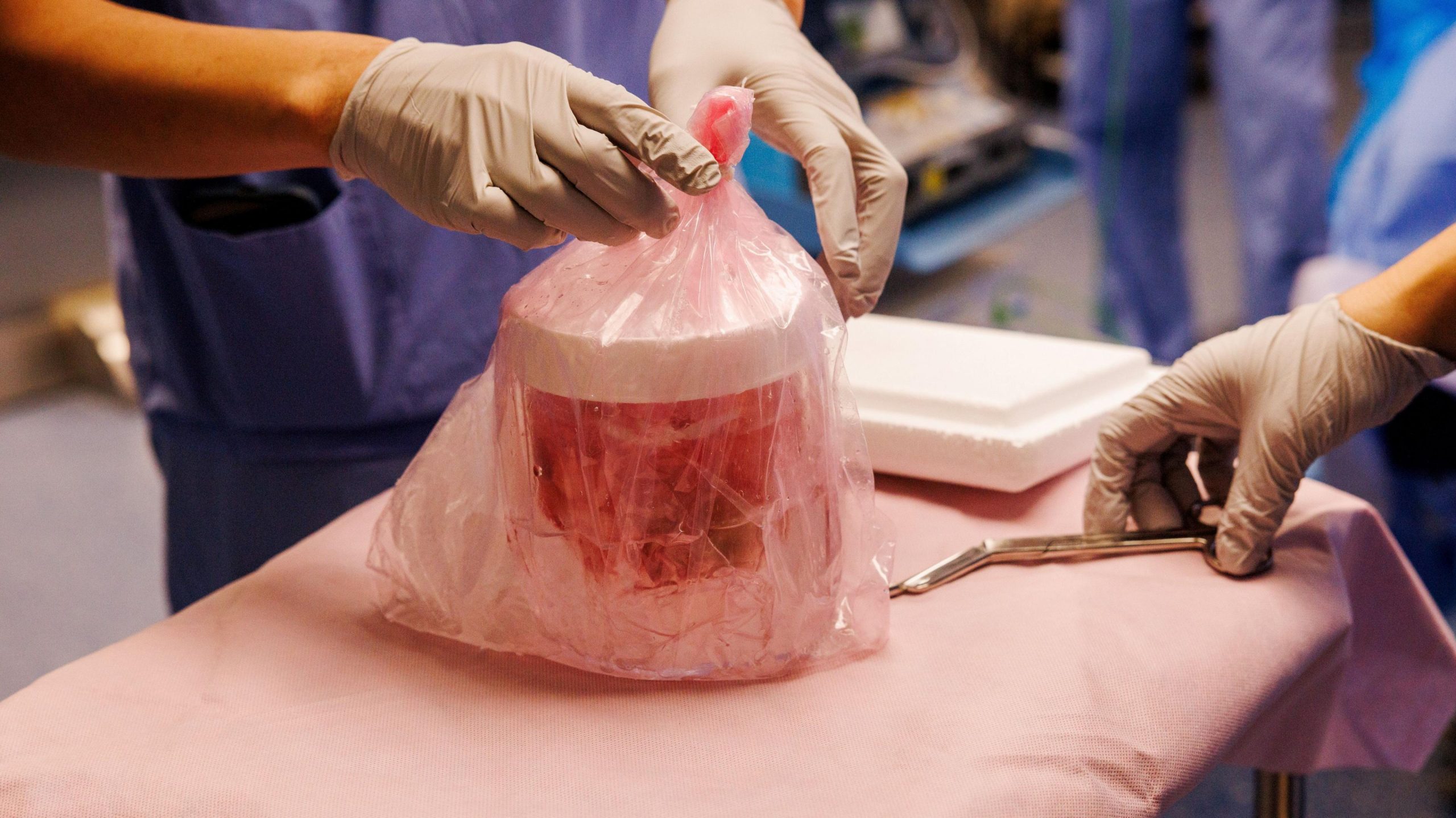
A genetically modified pig kidney has functioned inside a human patient for a record 271 days, offering fresh hope that animal organs could one day help reduce dependence on dialysis among patients waiting for human kidney transplants.
Doctors at Massachusetts General Hospital said the case demonstrates the potential of xenotransplantation, the use of animal organs in human patients, as an alternative for people facing severe shortages of donor organs.
The kidney was transplanted into 66 year old Tim Andrews, who had end stage kidney disease linked to type 2 diabetes and had been facing years of dialysis while waiting for a human donor kidney.
Andrews received the genetically modified pig kidney on January 25, 2025, and doctors said it began functioning immediately, filtering his blood and allowing him to avoid months of dialysis.
Recalling his situation before the experimental procedure, Andrews said he had been told it could take about 7 years to reach the top of the transplant waiting list.
He described the transplant as a major source of hope.
“Hope is the biggest thing, the chance to be free from the machine and live your life,” he said.
The pig kidney continued functioning for 271 days before doctors removed it in October 2025 after its condition deteriorated.
Andrews then underwent dialysis for 82 days before receiving a human donor kidney in January 2026. Doctors said the human kidney is currently functioning well.
Dr Leonardo Riella of Mass General Brigham’s Centre for Transplantation Sciences said the shortage of donor organs had created a major healthcare crisis and that xenotransplantation could potentially provide an alternative for patients without living donors.
“We are working really hard to bring hope and we truly feel that xenotransplantation can be an alternative for patients who don’t have a living donor where we could potentially bypass dialysis and get them to a transplant,” Riella said.
Doctors said Andrews initially showed signs that his immune system was beginning to reject the pig kidney. The problem was managed by adjusting his medication.
However, after about 6 months, blood vessels within the transplanted kidney began to suffer damage. The organ became inflamed and eventually failed.
The doctors said the exact cause of the kidney’s failure remains unclear because tests found no evidence of antibodies attacking the pig organ.
The findings, published in The Lancet, demonstrate both the promise and limitations of xenotransplantation as researchers continue working towards making animal organs suitable for human use.
Pigs are regarded as promising potential organ donors because their organs are broadly similar in size to human organs and the animals can be bred under controlled conditions.
An ordinary pig kidney, however, would trigger a severe immune response in the human body.
To overcome this problem, researchers have developed genetically modified Yucatan miniature pigs whose organs have undergone 69 genomic modifications.
The modifications are designed to remove or alter pig characteristics that trigger rejection by the human immune system, introduce human genes that help the organs evade immune attack and disable viruses embedded in pig DNA to reduce the risk of infection.
The research comes amid a severe shortage of human donor kidneys.
In the United States, about 100,000 people are waiting for kidney transplants, while only around 25,000 kidney transplants are performed annually.
More than 7,000 people are also on the kidney transplant waiting list in the United Kingdom.
The Mass General Brigham team said Andrews’ case suggests that a genetically modified animal kidney could potentially serve as a temporary bridge for patients waiting for a human donor, helping them avoid or reduce prolonged periods of dialysis.
However, doctors stressed that significant challenges remain before pig kidney transplantation can become a widely available treatment.
The record 271 day performance therefore represents an important step in xenotransplantation research, while also highlighting the need for further studies into immune rejection, blood vessel damage and the long term safety and effectiveness of genetically modified animal organs.
Do you have a news to share with us, or you would like to partner with us or make advert enquiry or support Kindly reach out to us on +2348036828367.