By Kehinde Micheal Adeleye
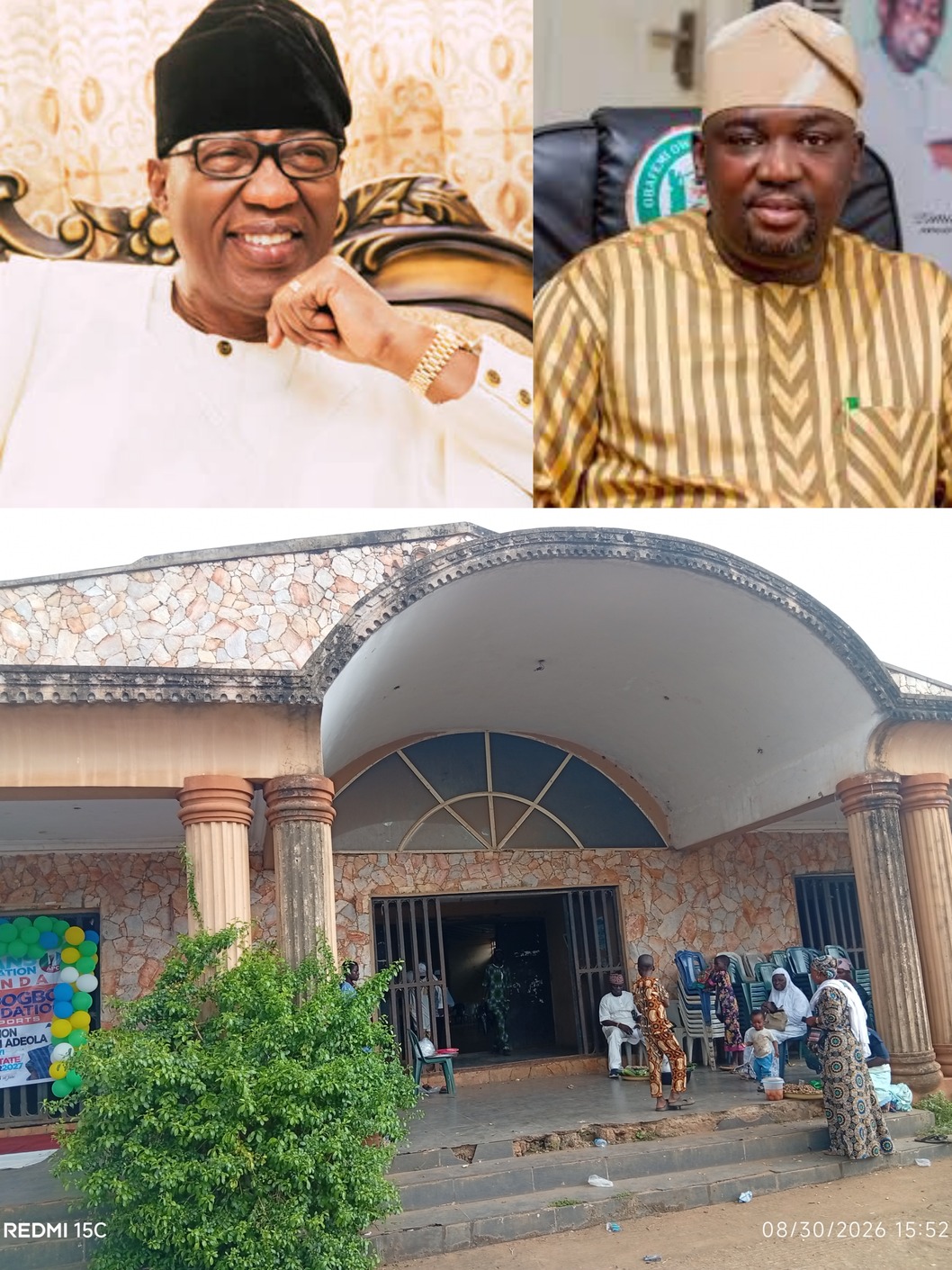
The City Hall in Owode, Obafemi Owode Local Government Area of Ogun State, has become a disturbing example of how public facilities can gradually deteriorate when maintenance is not given adequate attention.
A recent visit to the facility revealed dirty walls, old and faded paint, cobwebs, sandy and stained floors, no lighting at all, exposed wires, poorly connected electrical sockets, broken gates, damaged sections of the fence and bushy areas within the premises.
Although City Hall is still being used for meetings, community engagements, social functions and other activities, its present condition hardly reflects the standard expected of a major public facility.
The fact that activities still take place there appears to have masked a deeper problem: a public asset that remains in use but has not received the level of maintenance required to keep it worthy of the people it serves.
The condition of the facility raises serious questions about the management of public assets under the administration of Ambassador Honourable Adesina ‘Lanre Ogunsola, particularly the ability of the local government to properly utilise, preserve and maintain infrastructure already available to the people.
City Hall is one of the biggest public halls in Obafemi Owode Local Government and was designed to provide a sizeable space for town hall meetings, community engagements, social functions and other activities. Its continued use demonstrates that the facility remains relevant, but relevance alone should not be an excuse for allowing the building to deteriorate.
The hall was built during the administration of Engineer Babatunde Akeem Adesina and commissioned by former Ogun State Governor, Otunba Gbenga Daniel, on November 4, 2008. Nearly 18 years after its commissioning, the condition of the facility raises a fundamental question about continuity in governance: what have successive administrations done to preserve the investment made in the facility?
The deterioration is visible throughout the building. The walls are dirty and covered in old, faded and visibly worn out paint, while cobwebs have accumulated around different sections. The floors are sandy, stained and visibly unkempt. For a facility that continues to welcome members of the public, the condition is difficult to justify.
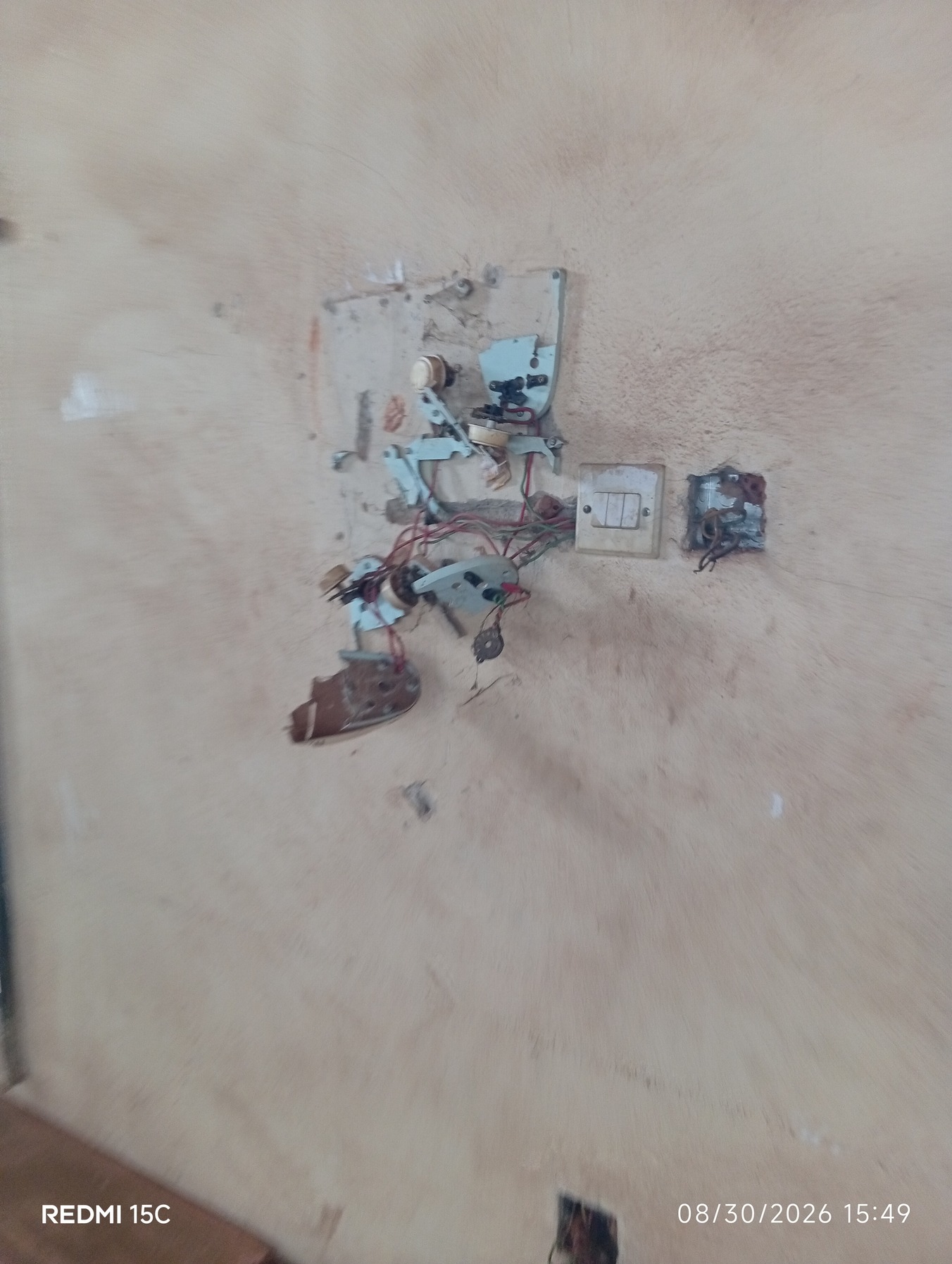
The absence of lighting is particularly striking, with exposed wires and poorly connected electrical sockets visible across different sections of the hall, further highlighting the facility’s deteriorating condition.
For a public building that can host sizeable gatherings, the state of its electrical system is not merely an issue of appearance. It raises legitimate questions about safety and the level of attention being given to the facility.
Outside, the situation tells a similar story. The gates are broken, portions of the fence have been damaged and some areas of the premises have become bushy and overgrown.
The combination of the damaged infrastructure, old paint and unkempt surroundings gives the facility an appearance that is difficult to reconcile with its status as one of the major public halls in the local government.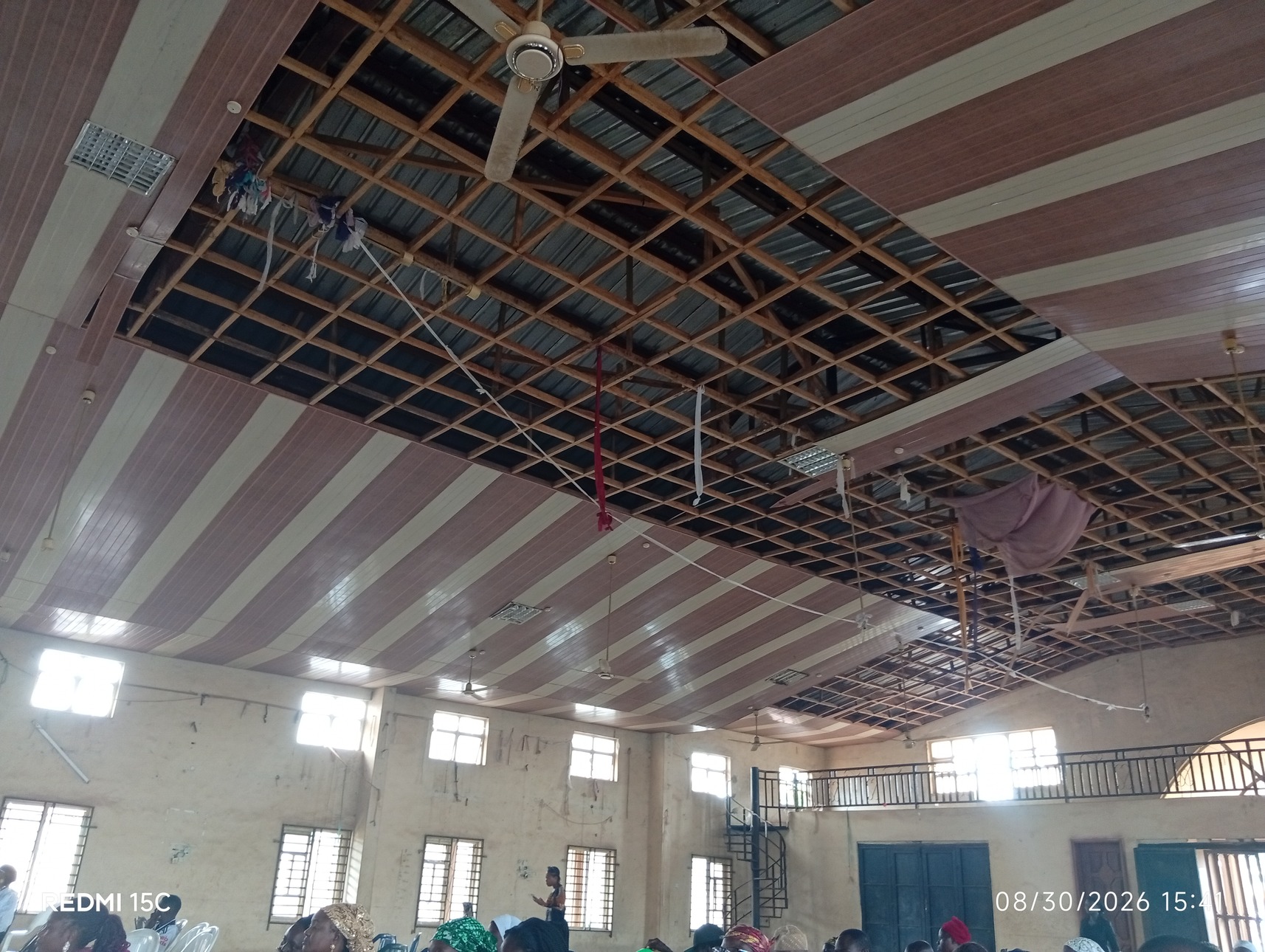
The situation becomes even more difficult to understand because City Hall is only a few minutes’ trek from the Obafemi Owode Local Government headquarters. The facility is therefore not hidden away from the officials responsible for the administration of the area.
How can a major public asset located so close to the local government headquarters be left without basic lighting and with old paint, dirty floors, broken gates, damaged fencing and visibly deteriorated interiors?
This is where the administration of Ambassador Honourable Adesina ‘Lanre Ogunsola must answer questions about the management of public facilities within the local government. What system is currently in place for inspecting and maintaining City Hall? When was the facility last comprehensively renovated? Who is responsible for its routine maintenance? Is there a budget for its upkeep, and if so, how much has been allocated and spent?
The issue also raises questions about the utilisation of public infrastructure. It is not enough for government to inherit buildings constructed by previous administrations. Such facilities must be put to judicious use, managed properly and maintained continuously. Otherwise, public investment gradually turns into deteriorating infrastructure.
Communities may need more facilities, but existing ones should not be allowed to deteriorate simply because they remain functional enough to host occasional activities.
The situation at City Hall provides an opportunity for the Ogunsola administration to demonstrate what grassroots governance means beyond political programmes and announcements. Maintaining an existing public facility may not attract the same attention as commissioning a new project, but it is equally important to residents who depend on those facilities.
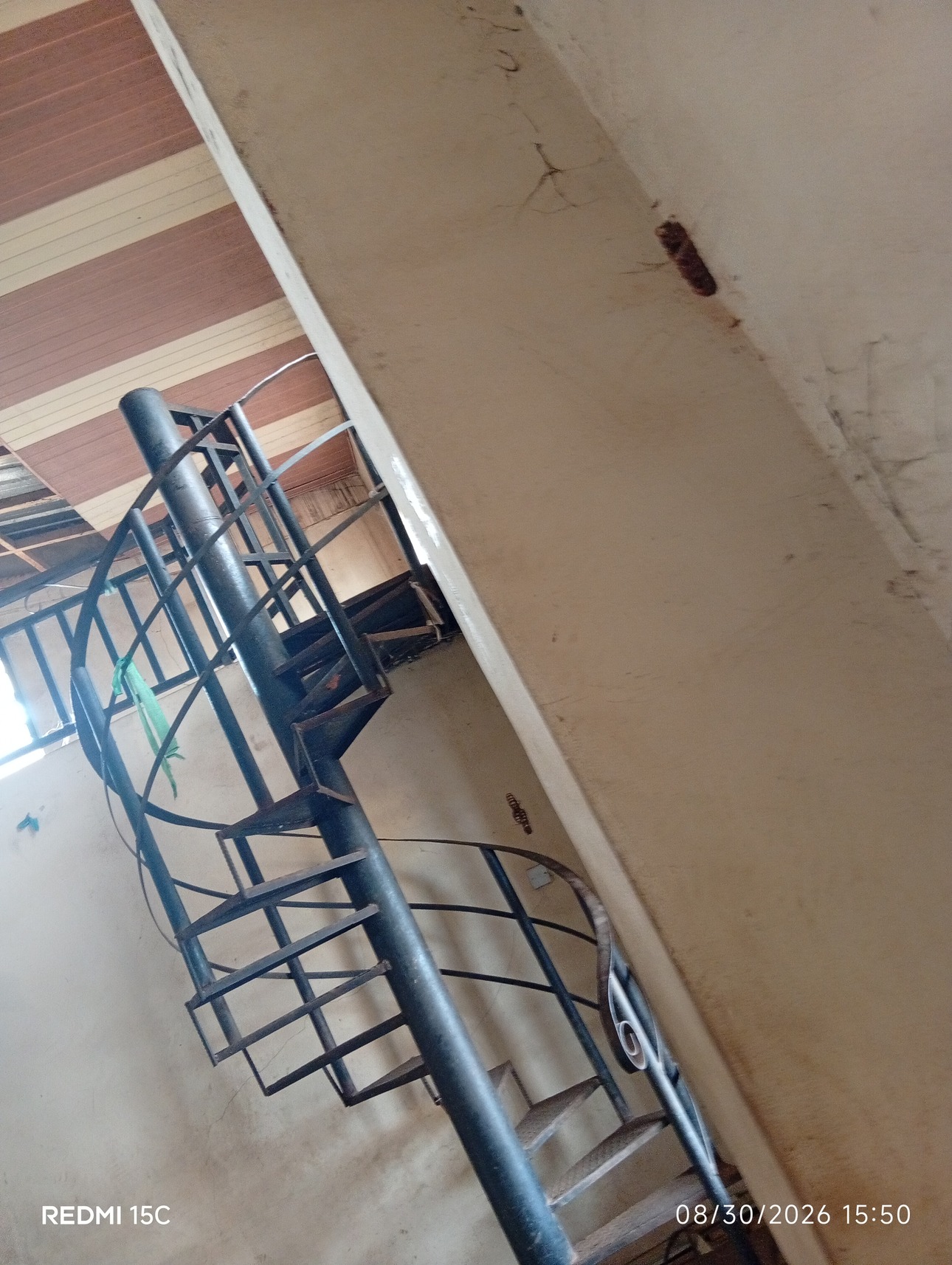
The local government should not wait for the building to become completely unusable before intervening. The facility requires comprehensive attention, including cleaning and repainting of the walls, removal of cobwebs, proper cleaning and rehabilitation of the sandy and stained floors, complete restoration of lighting, professional inspection of the electrical system, proper installation of sockets, repair of the broken gates and fence and clearing of the bushy areas.
But the bigger issue is maintenance after rehabilitation. Government must develop a system that ensures the facility is routinely inspected, cleaned and repaired. Public assets should not be allowed to deteriorate for years before emergency rehabilitation is considered.
Nearly 18 years after OGD commissioned the facility, City Hall Owode should not be struggling with basic maintenance issues such as old and faded paint, dirty and sandy floors, cobwebs, broken gates and the complete absence of lighting.
The fact that the hall is still being used should not be mistaken for evidence that it is being properly maintained. A facility can remain functional while simultaneously falling far below the standard it deserves.
For a major public hall that continues to serve the people of Owode, the present condition should be a wake up call for the Obafemi Owode Local Government leadership and relevant authorities in Ogun State.
If government cannot properly maintain one of its major existing public facilities, residents are entitled to ask how it intends to sustain the new infrastructure it promises to deliver.
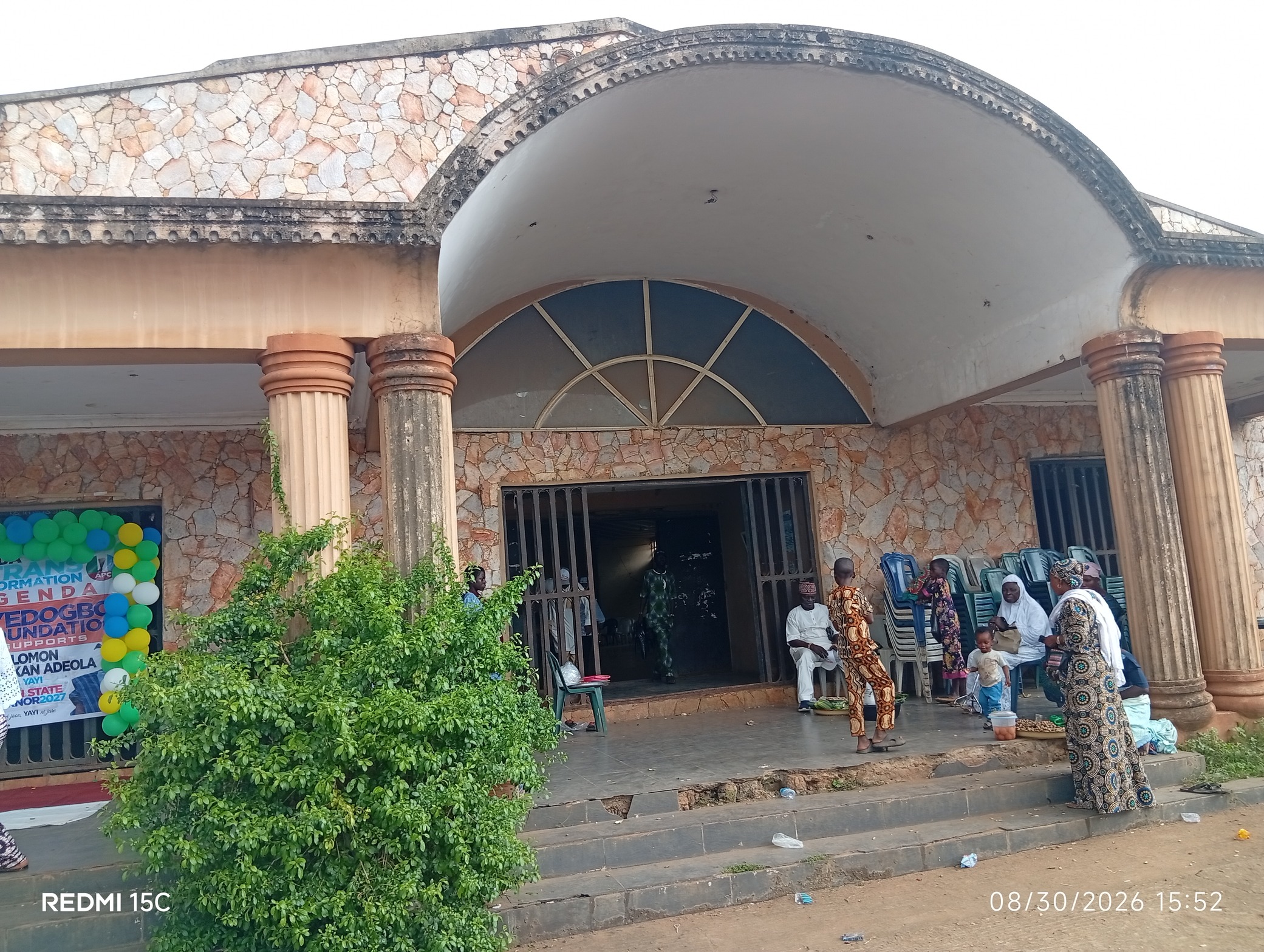
City Hall Owode deserves more than occasional attention when an event is scheduled.
It deserves proper management, judicious use, urgent rehabilitation and continuous maintenance.
Kehinde Micheal Adeleye ANIPR is a Lagos Based Journalist, Public Relations Personnel and a Social Commentator
Do you have a news to share with us, or you would like to partner with us or make advert enquiry or support Kindly reach out to us on +2348036828367.