Given the effects of the worst flood in the history of Nigeria, high-profile deaths, an eight-month strike by public university teachers, unceasing killings and kidnapping for ransom, and worsening economic woes among others, 2022, which expires today, is a year many Nigerians will like to forget in a hurry.
Apart from the socio-economic sad tales, 2022 witnessed high-wire politicking and intrigues as political parties and politicians busied themselves with preparations for the 2023 general elections that will be held on February 25 and March 11.
High-wire political intrigues
For the first time since the First Republic elections, there are fears that there may be a run-off presidential poll as a very keen contest is expected from the trio of Atiku, Obi and Tinubu. In the First Republic, none of the Northern Peoples Congress, NPC; Action Group, AG; and National Council of Nigerian Citizens, NCNC, had a clear majority needed to form the Parliamentary Government. There was a need for any two of the three for form an alliance. The NPC and NCNC formed the cabinet.
Now, pundits fear that Atiku, Tinubu and Obi may not get 25 per cent of the votes cast in at least 24 states, which is required in addition to getting the majority of valid votes to be declared outright winner. If that happens there will be a run-off between any of the best two.
Other issues that shaped 2022 include the Central Bank of Nigeria, CBN, redesigning of the Naira; and reduction of cash withdrawal limit.
8,058 killed across Nigeria’s killing fields
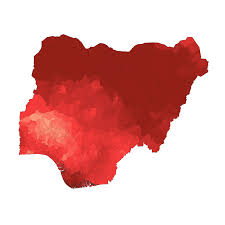
As had been witnessed in the last 11 years, Nigeria remained a killing field in 2022. No fewer than 8,058 lives were cut short violently across the country in 2022, according to the Nigeria Security Tracker, NST, a project of the Council on Foreign Relations’ Africa programme that documents and maps violence in Nigeria that is motivated by political, economic, or social grievances.
Apart from deaths arising from Boko Haram insurgency, violence among ethnic groups, farmers, and herdsmen skirmishes, security agencies kill civilians indiscriminately. Police are notorious for extra-judicial murder with the latest being the murder of a pregnant Lagos-female lawyer, Bolanle Raheem, by an Assistant Superintendent of Police, in Ajah, Lagos on Christmas Day.
High-profile deaths
Arguably, 2022 began on a deadly note and claimed the lives of many prominent Nigerians.
Eminent Nigerians who died in 2022 include the Olubadan of Ibadan, Oba Saliu Adetunji, who died at the age of 93 on January 1; former Head of the National Interim Government, ING, Chief Ernest Shonekan, who died on January 11, aged 85; and Nigerian gospel singer, Chinedu Nwadike, 38 (March 27).
On the death list were another popular Nigerian gospel artiste, Osinachi Nwachukwu, 43 (April 8); the Alaafin of Oyo, Oba Lamidi Adeyemi III, 83 (April 22); Maverick politician, Senator Arthur Nzeribe, 83 (May 8); former Chief of Staff of the defunct Republic of Biafra, General Alexander Madiebo (June 4); Nollywood actress, comedian and on-air-personality, Ada Ameh, 48 (July 17); former National Chairman of the Peoples Democratic Party, PDP, Prince Vincent Ogbulafor, 73 (October 6); Nigeria’s first female Vice Chancellor, Professor Grace Alele-Williams, 89 (March 25); four-time Federal minister, Alabo Graham-Douglas (April 26).
Other deaths include that of First Republic Minister of Aviation and elder statesman, Chief Mbazulike Amechi, 93 (November 1); multiple award-winning gospel singer, Sammie Okposo, 51 (November 25); Second Republic politician and former Minister of Power and Steel, Chief Paul Unongo, 87 (November 29); and Nigeria’s ambassador to Spain, Demola Seriki, 63, (November 15).
The rest include: Former Inspector General of Police, Mustafa Balogun (August 4);
Do you have a news to share with us, or you would like to partner with us or make advert enquiry or support Kindly reach out to us on +2348036828367.