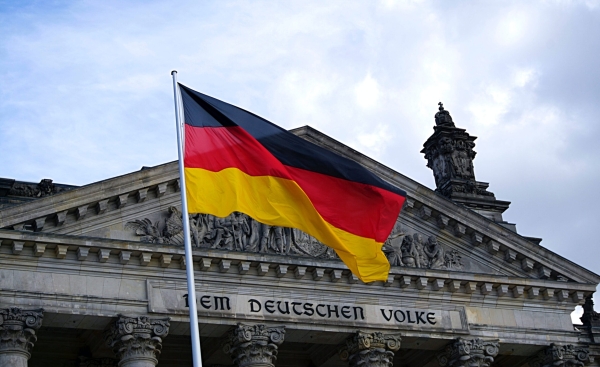
Germany is currently grappling with a substantial labor shortage, evident in over 1.98 million job vacancies spread across sectors.
The shortage is particularly pronounced in key sectors such as agriculture, construction, and transportation. The labour deficit is driven by demographic factors like an aging population, a declining birth rate, and an escalating demand for skilled professionals. In response, the country is actively seeking foreign talent to fill these critical roles and sustain its economic growth.
Germany’s aging workforce has been a growing liability, and positions in IT and software development, for instance, are becoming notoriously hard to fill. More companies are now looking abroad for help.
Nicole Büttner, co-founder and CEO of Mirantic’s Labs, a tech consultancy in Berlin, believes that this is an opportunity that Germany cannot afford to miss, especially given the global economic climate and recent layoffs by major tech companies.
“This is the time to have the optimal conditions for talent to come to Germany. It’s time for action, not complacency.”
She emphasized how critical foreign workers are to the tech scene. “We’re highly reliant on talent. That’s the main asset we put into it, so the dependency is very high. We need to be able, as a German tech hub, to attract foreign talent here.”
Other industries needing foreign talent
The agricultural sector is experiencing a scarcity of skilled workers in livestock production, forestry, and horticulture. Specific roles include:
Livestock production
Forestry technicians
Horticultural specialty growers
The construction industry also faces shortages across various trades, including:
Metalworking
Automation
Surveying
Scaffolding
Interior construction
Glazing
Pipeline construction
Plant, container, and apparatus construction
The transportation sector is also affected, particularly in freight forwarding, logistics, and the need for drivers for earthmoving machinery.
Salaries for In-Demand Occupations
The salaries for these in-demand occupations vary but are generally competitive. According to the Economic Research Institute (ERI), average salaries include:
Crop farm workers: €35,616 per year
Forestry technicians: €36,791 per year
Horticultural specialty growers: €36,913 per year
Construction workers: €44,052 per year
Drivers: €28,276 per year
These efforts and competitive salaries aim to attract skilled foreign professionals, ensuring Germany remains economically strong despite demographic challenges.
Highest-paying jobs in Germany
For those seeking the highest-paying jobs in Germany, the following roles command significant salaries:
Doctor: €71,600 – €101,696
Pilot: €93,499
Sales Manager: €82,392
Lawyer: €81,254
Portfolio Manager: €80,000 to €120,000
College Professor: €74,200
Engineer: €63,000
Software Developer: €45,000 to €80,000
Project Manager: €45,000 to €90,000
Risk Manager: €70,000 – €85,000
Judge: €76,619
Tax Advisor: €70,000
Importance of Overseas Talent:
A DW Business Desk reporter, Stephen Bley, emphasized the importance of overseas talent for Germany. He noted that the workforce is not only aging but also working fewer hours as more people opt for part-time work, creating a shortage of skilled workers. This shift is happening amid record employment levels, prompting businesses and industry groups to seek overseas talent across various sectors.
Bley highlighted Berlin’s recent passage of a law easing the hiring process for foreign workers as a positive first step. However, he cautioned that Germany’s job market remains highly regulated and insulated from overseas competition, historically making it difficult for foreign professionals to enter the workforce.
“Overseas talent is very important for Germany. Germany isn’t just an aging workforce; it’s one that on average is working fewer hours as more people take up part-time work. This is at a time of record employment, so if you want to keep things running, there’s not a whole lot of levers to pull these days.”
“That’s why we’re seeing more businesses and industry groups look towards overseas talent. This cuts across job sectors; it isn’t just nurses in hospitals or IT and software.”
“Berlin recently passed a new law that’s supposed to make it easier to hire foreign workers. It’s a good first start. What’s always been difficult about the job market here in Germany is that it’s highly regulated and insulated from overseas competition”, he says.
Dirk Deepar, a business owner agrees notes
Noted Channels Join Us
Ceo Software Engineer
“We don’t have young workers from Germany anymore because at some point in the past, manufacturers had less work and hired fewer apprentices.”
“Half of the factory’s employees are from abroad. Without the help of a recruiter, I found an Armenian who can do the job and want to hire him.”
Bley however noted that these overseas workers need to have the exact qualifications as German candidate. He says, “Now that you need those workers, it’s really difficult. In many cases, they’re required to have the exact same qualifications or certifications as German candidates, but in many countries, they don’t have those.”
Do you have a news to share with us, or you would like to partner with us or make advert enquiry or support Kindly reach out to us on +2348036828367.