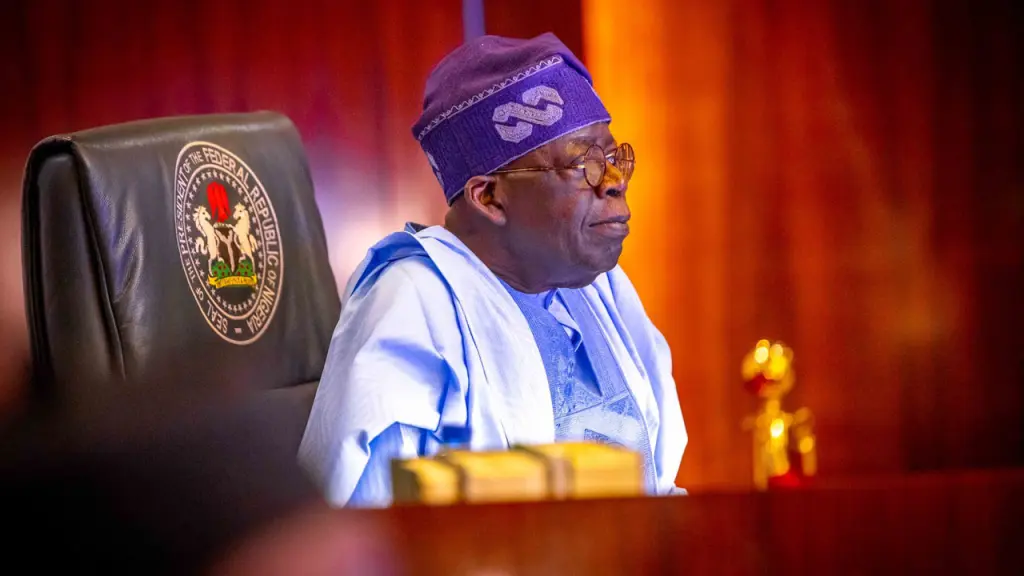
The Federal Government has welcomed the latest assessment of Nigeria’s economy by the International Monetary Fund (IMF), describing it as a strong endorsement of the economic reforms introduced by President Bola Tinubu.
In its 2026 Article IV Consultation Report, the IMF stated that key policy measures implemented by the administration, including the removal of fuel subsidies, liberalisation of the foreign exchange market, the end of deficit monetisation and tighter fiscal discipline, have contributed to improved macroeconomic stability and strengthened the country’s economic outlook.
According to the report, the reforms have helped boost Nigeria’s external reserves, restore investor confidence and improve the nation’s ability to withstand global economic shocks.
The IMF also noted that despite rising energy prices triggered by tensions in the Middle East, Nigeria’s foreign exchange market remained relatively stable, with the exchange rate premium staying below five per cent.
Reacting to the report, the Federal Government said the findings validate the direction of its economic agenda and underscore the impact of ongoing reforms.
“The IMF’s assessment validates the bold reforms undertaken by the administration of President Bola Tinubu, which have improved macroeconomic stability, strengthened investor confidence and enhanced Nigeria’s resilience to global economic shocks,” the government stated.
The Fund further observed that Nigeria stands to benefit from higher global oil prices through increased oil revenues, while investor confidence has remained resilient despite prevailing global economic uncertainties.
Commenting on the report, the Minister of Finance and Coordinating Minister of the Economy, Taiwo Oyedele, acknowledged that poverty and food insecurity remain major concerns but assured that the government remains committed to addressing them.
According to him, the administration will continue to invest in social protection programmes, agricultural development and job creation initiatives aimed at improving the welfare of Nigerians.
“While poverty and food insecurity remain serious concerns, the government will continue investing in social protection programmes, agricultural development and job creation initiatives aimed at improving the welfare of Nigerians,” he said.
The IMF projected that Nigeria’s economy will grow by more than four per cent in the medium term and noted that the country’s public debt burden is declining relative to Gross Domestic Product (GDP), reflecting improvements in fiscal management.
The Federal Government said the report reinforces its confidence that ongoing reforms are laying the foundation for sustainable economic growth, greater stability and improved living standards for Nigerians.
Do you have a news to share with us, or you would like to partner with us or make advert enquiry or support Kindly reach out to us on +2348036828367.