For many Lagos residents, seeing a freshly cleared road median gradually turn into a mountain of refuse has become an all too familiar experience.
A location is cleared, the waste disappears, and for a while the environment looks clean. But weeks later, heaps of refuse begin to return, leaving residents to wonder why the same spots repeatedly become dumping grounds.
The Lagos Waste Management Authority (LAWMA) says it is now changing the way it tackles such recurring waste blackspots, shifting from simply evacuating accumulated refuse to addressing the reasons the waste keeps coming back.

The Managing Director and Chief Executive Officer of LAWMA, Dr Muyiwa Gbadegesin, said repeated evacuation alone could not provide a lasting solution to the problem.
According to him, the authority is combining waste evacuation with improved collection services, enforcement, infrastructure upgrades and community engagement to prevent cleared locations from becoming dumping points again.
“Our approach is changing from simply clearing waste backlogs to addressing what causes them to return.
“Where there are service gaps, we are working with stakeholders to improve collection; where there is indiscriminate dumping, we are enforcing compliance; and where locations have been cleared, we are putting measures in place to prevent redumping,” Gbadegesin said.
The approach is already being implemented in different parts of Lagos.
In Ayobo Ipaja, LAWMA has combined sustained evacuation of accumulated refuse with enforcement against illegal waste collectors, markets and commercial facilities that fail to comply with approved waste management arrangements.
In Mushin and Odi Olowo, the authority has adopted a different strategy following the removal of waste from major road medians.
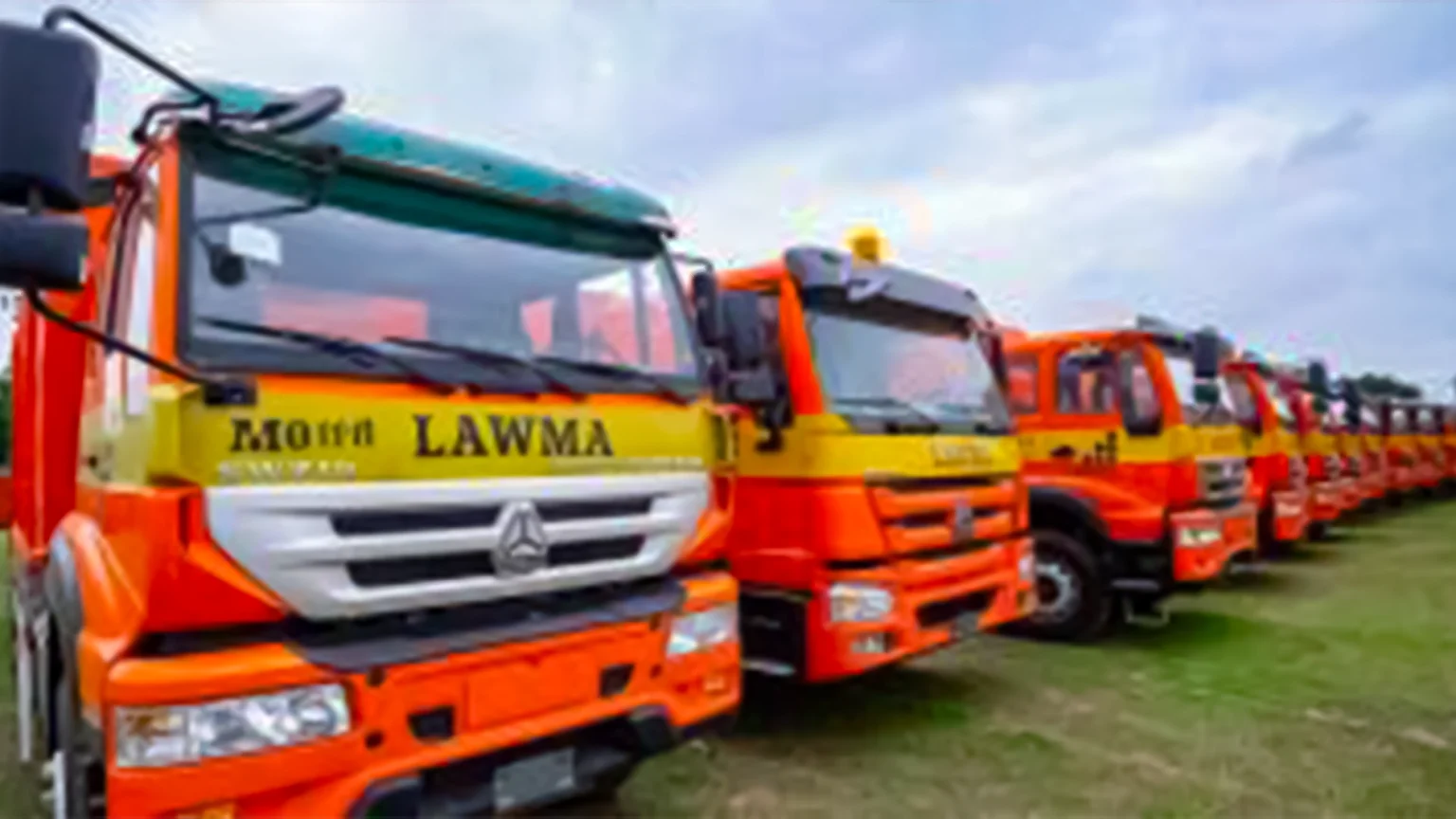
Collection trucks are being deployed into inner streets to provide residents with easier access to approved waste disposal channels.
The move is aimed at reducing the tendency for residents to carry their waste to previously cleared roads and medians when they do not have convenient collection services within their neighbourhoods.
For residents, LAWMA’s approach touches on a major reason waste continues to return after evacuation.
A road may be cleaned in the morning, but if people living or doing business around the area have nowhere reliable to dispose of their waste, the same location can quickly become a dumping point again.
Beyond evacuation and collection, LAWMA is also strengthening the infrastructure supporting waste management operations across the state.
Gbadegesin pointed to the recent upgrade of critical facilities at the Olusosun Disposal Facility, saying improved access and faster truck turnaround had increased the authority’s operational capacity.
The authority is also working with Private Sector Participation operators through a reform process focused on route management, service delivery, fleet capacity, technology driven monitoring and accountability.
Enforcement is simultaneously being intensified against illegal waste operators, unauthorised markets and other activities contributing to indiscriminate dumping.
However, LAWMA maintains that government intervention alone cannot keep Lagos clean.
Gbadegesin said residents, businesses, markets, communities and waste operators must all take responsibility for how waste is generated, collected and disposed of.
“A clean city cannot be sustained by government action alone. We need residents, businesses, markets, PSP operators and communities to take responsibility for how waste is generated, handled and disposed of.
“Clearing a location only for it to become a dumping point again is not sustainable,” he said.
The authority said its broader objective was to move Lagos towards a more sustainable waste management system built around the circular economy.
Plans include the development of transfer loading stations and material recovery facilities, alongside waste to wealth and waste to energy initiatives.
LAWMA said the battle against recurring waste blackspots would therefore continue on several fronts, including evacuation, improved collection, enforcement, infrastructure development and engagement with communities and other stakeholders.
Gbadegesin urged Lagos residents to patronise approved waste collection operators, report service gaps and avoid indiscriminate dumping.
For residents who have watched the same road corners and medians repeatedly turn into refuse dumps, the real test of the new strategy will not simply be how quickly LAWMA removes the waste, but whether those locations remain clean after the trucks leave.
Do you have a news to share with us, or you would like to partner with us or make advert enquiry or support Kindly reach out to us on +2348036828367.