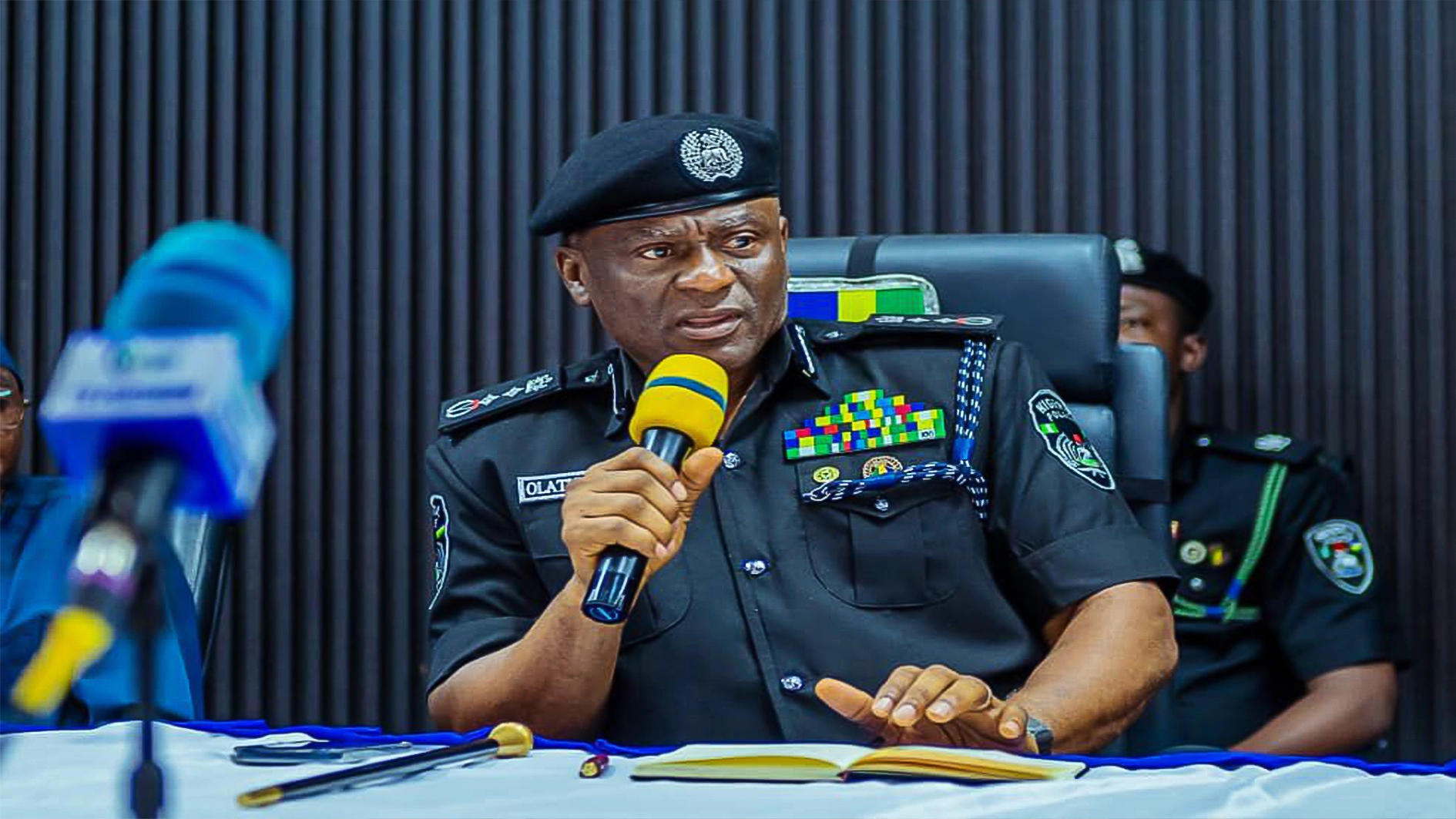
When Tunji Disu became Nigeria’s Inspector-General of Police, many Nigerians believed his appointment would usher in a tougher and more proactive approach to policing. His years of experience in Lagos shaped the image of a fearless officer who understood enforcement and knew how to confront criminality head-on.
Today, however, many citizens are beginning to ask difficult questions as insecurity continues to spread across different parts of the country.
For years, many Nigerians accepted the painful reality that parts of Northern Nigeria were heavily associated with terrorism, banditry, kidnappings, and violent attacks. From Zamfara to Kaduna and parts of the North-East, insecurity sadly became almost a daily headline.
The Southwest, however, was often viewed differently, relatively calmer, more stable, and safer compared to other troubled regions. That perception is now gradually changing.
The recent kidnapping of teachers and school workers in Oyo State has heightened fears that insecurity is spreading deeper into the Southwest. Reports confirmed that seven teachers were abducted from Community High School, Ahoro-Esinele, in Oriire Local Government Area of Oyo State. One of the victims, mathematics teacher Michael Oyedokun, was reportedly killed by the abductors after a disturbing video surfaced online. Other abducted school officials were also seen crying and pleading for rescue from captivity.
In a further disturbing development that appears to reflect an emerging pattern of targeted abductions in the Southwest, the Vice Chairman of Ilejemeje Local Government Area of Ekiti State, Grace Ogunleye, has reportedly been kidnapped by armed men. Sources said she was seized along the Ipere–Iludun Ekiti road on Wednesday while returning from official duties.
For many Nigerians, these incidents are more than just news headlines. They are painful reminders that ordinary citizens, teachers, workers, parents, and students, are increasingly vulnerable, and attention naturally turns to the leadership of the police.
The truth remains simple. The primary responsibility of the police is the protection of lives and property. At this moment, however, many Nigerians believe the country is struggling with the first part, protecting lives.
Property can be replaced. Burnt shops can reopen. Vehicles can be repaired. But human lives lost to kidnappings, terrorism, armed robbery, and violent attacks can never be restored. This is the source of growing frustration.
Every day, social media timelines and online news platforms are filled with disturbing reports of kidnappings, robberies, killings, cult clashes, terrorism, and community attacks. Increasingly, Nigerians wake up to crime updates almost as regularly as weather forecasts.
Some citizens now sarcastically suggest that criminals appear to have more consistent operational efficiency than the security agencies. Behind the sarcasm, however, lies genuine fear.
People want to travel safely. Parents want their children to go to school without fear. Workers want to return home alive. Communities want reassurance that security agencies are ahead of criminals, not constantly reacting after tragedies occur.
To be fair, Nigeria’s insecurity crisis did not begin with Disu, and it cannot be resolved overnight by any single individual. The country is grappling with deep structural challenges, including intelligence gaps, manpower shortages, economic hardship, porous borders, and organized criminal networks.
Still, leadership comes with responsibility and accountability.
If the Southwest, once considered one of the safer regions in Nigeria, is now experiencing increasing waves of insecurity, then many Nigerians are left wondering how the broader national security challenge can truly be contained.
For Tunji Disu, the task goes beyond public perception or institutional reputation. Nigerians are demanding visible action, stronger policing, improved intelligence operations, and concrete results that restore public confidence.
Ultimately, citizens are not asking for miracles. They are asking for something fundamental, a country where human life is genuinely protected.
Do you have a news to share with us, or you would like to partner with us or make advert enquiry or support Kindly reach out to us on +2348036828367.